
Services

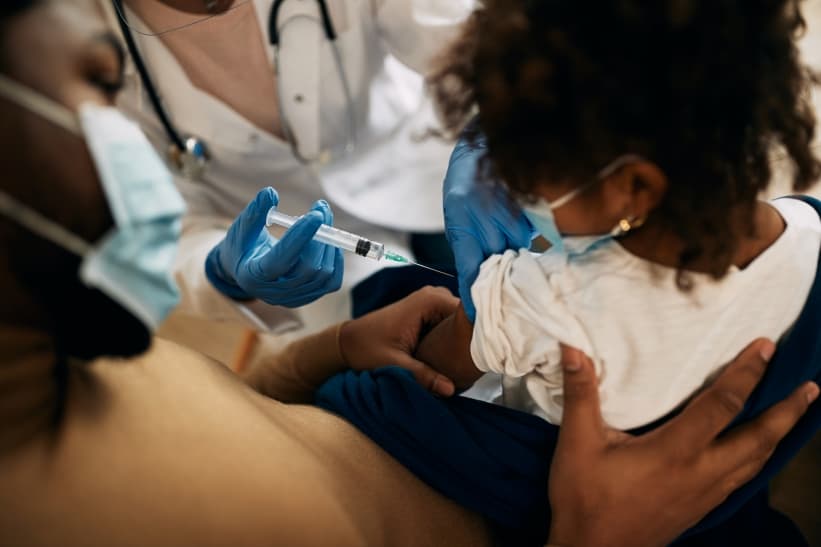
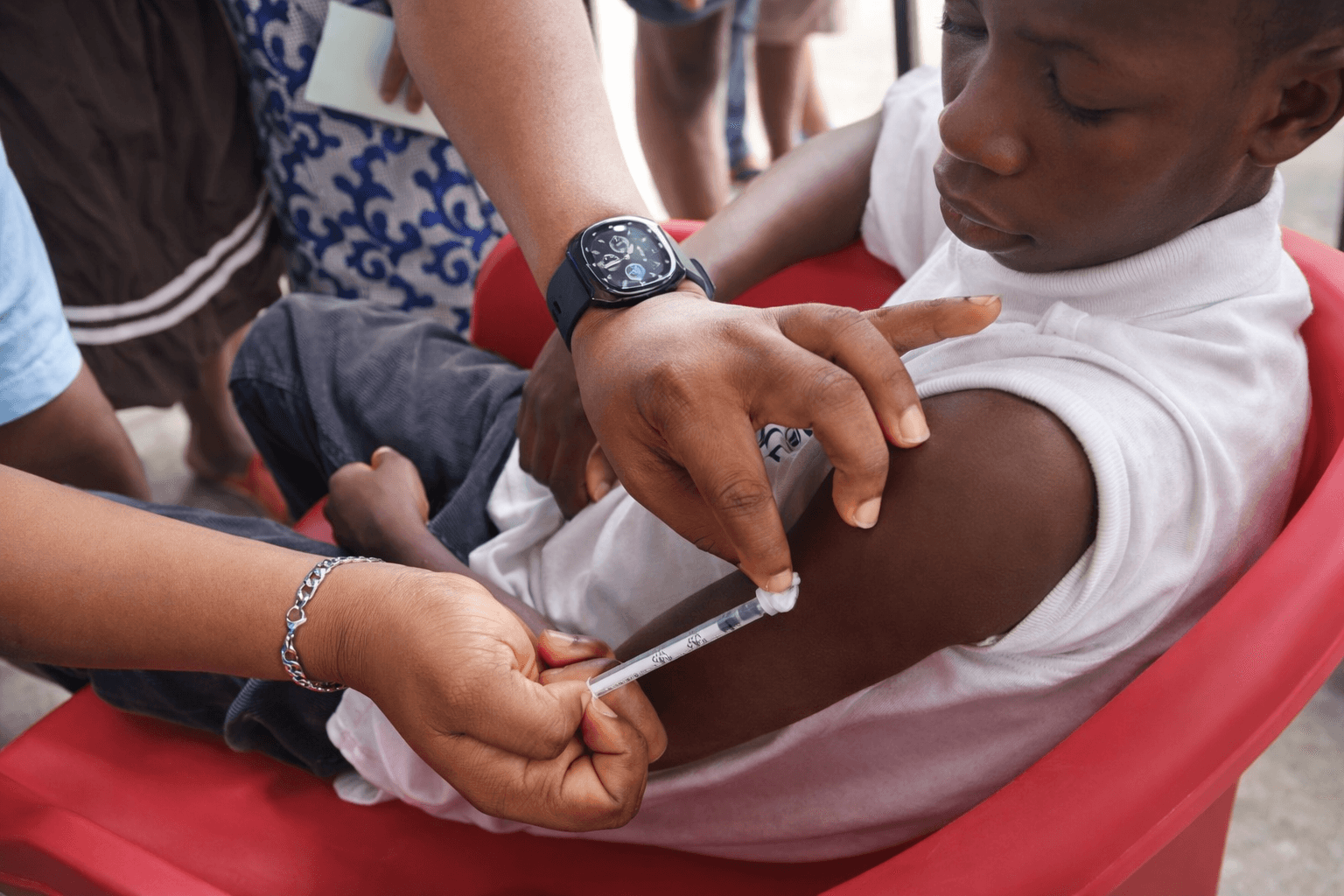
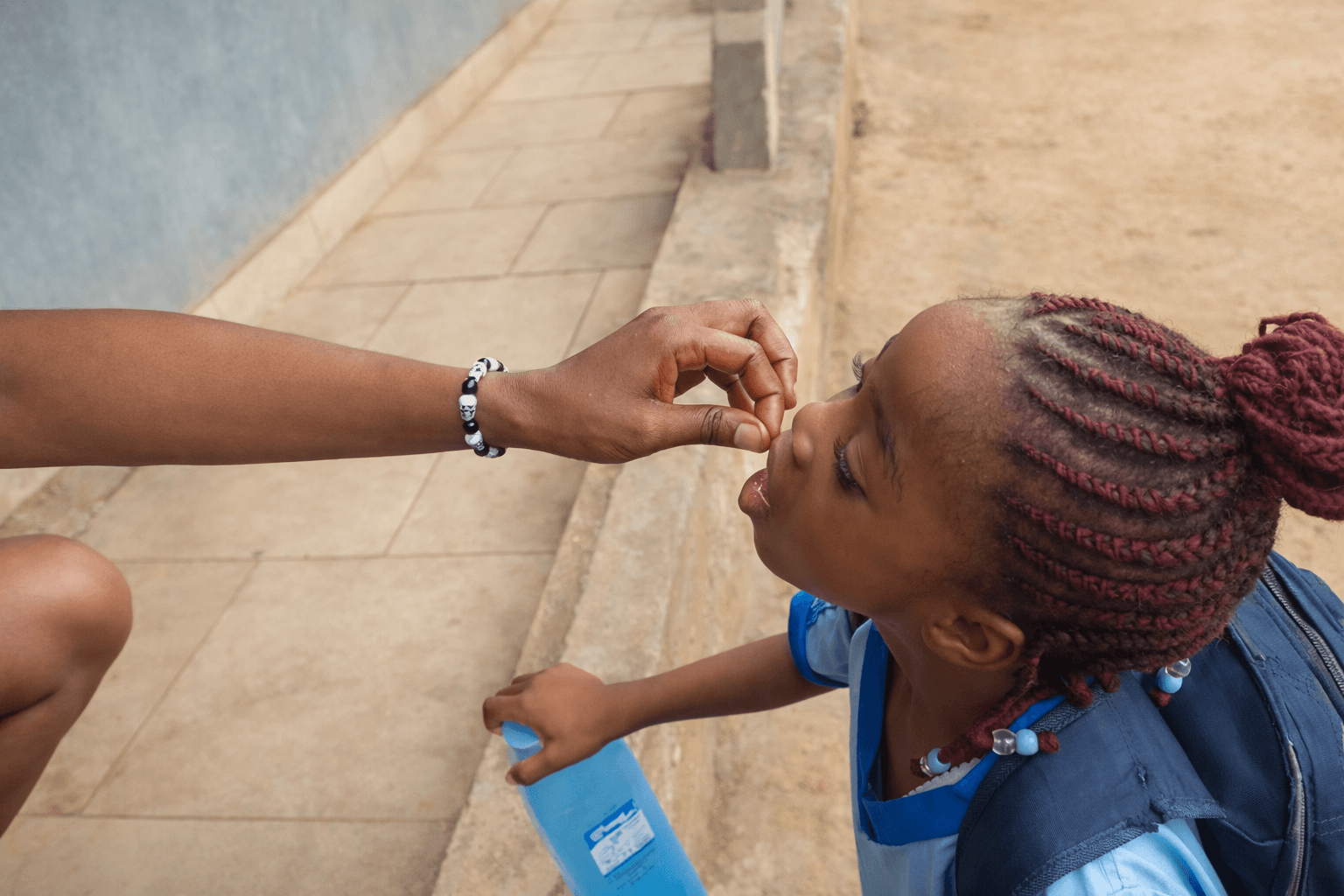
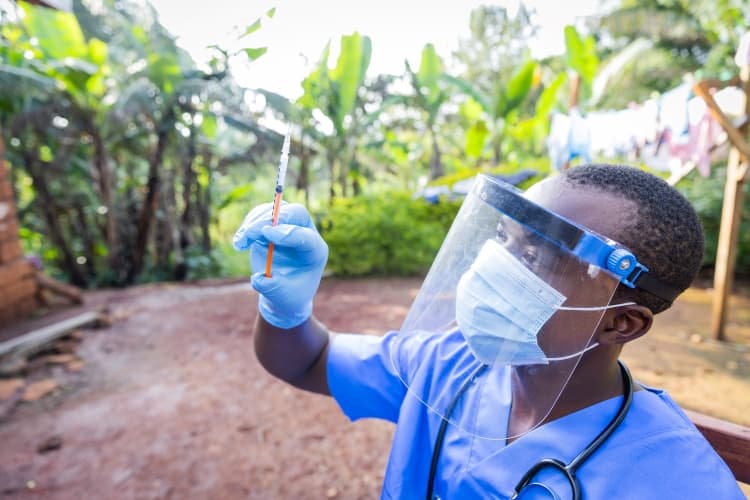
Vaccination
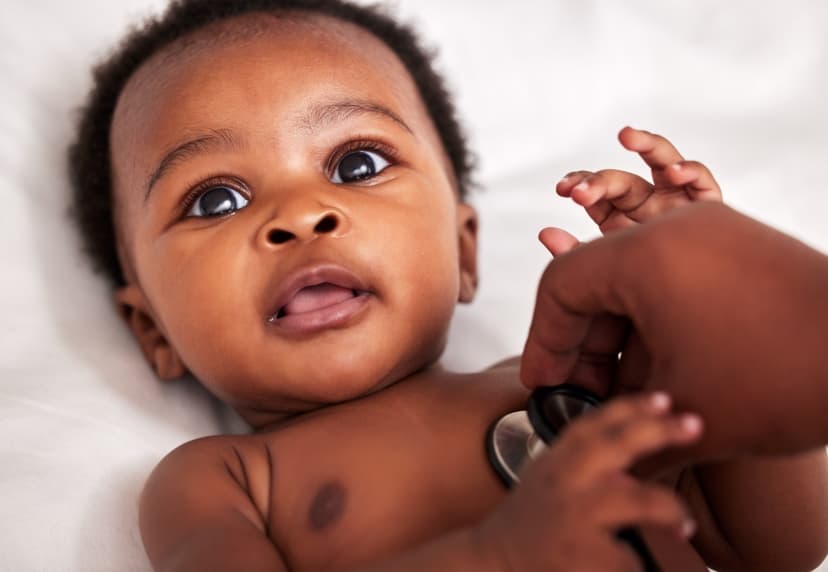
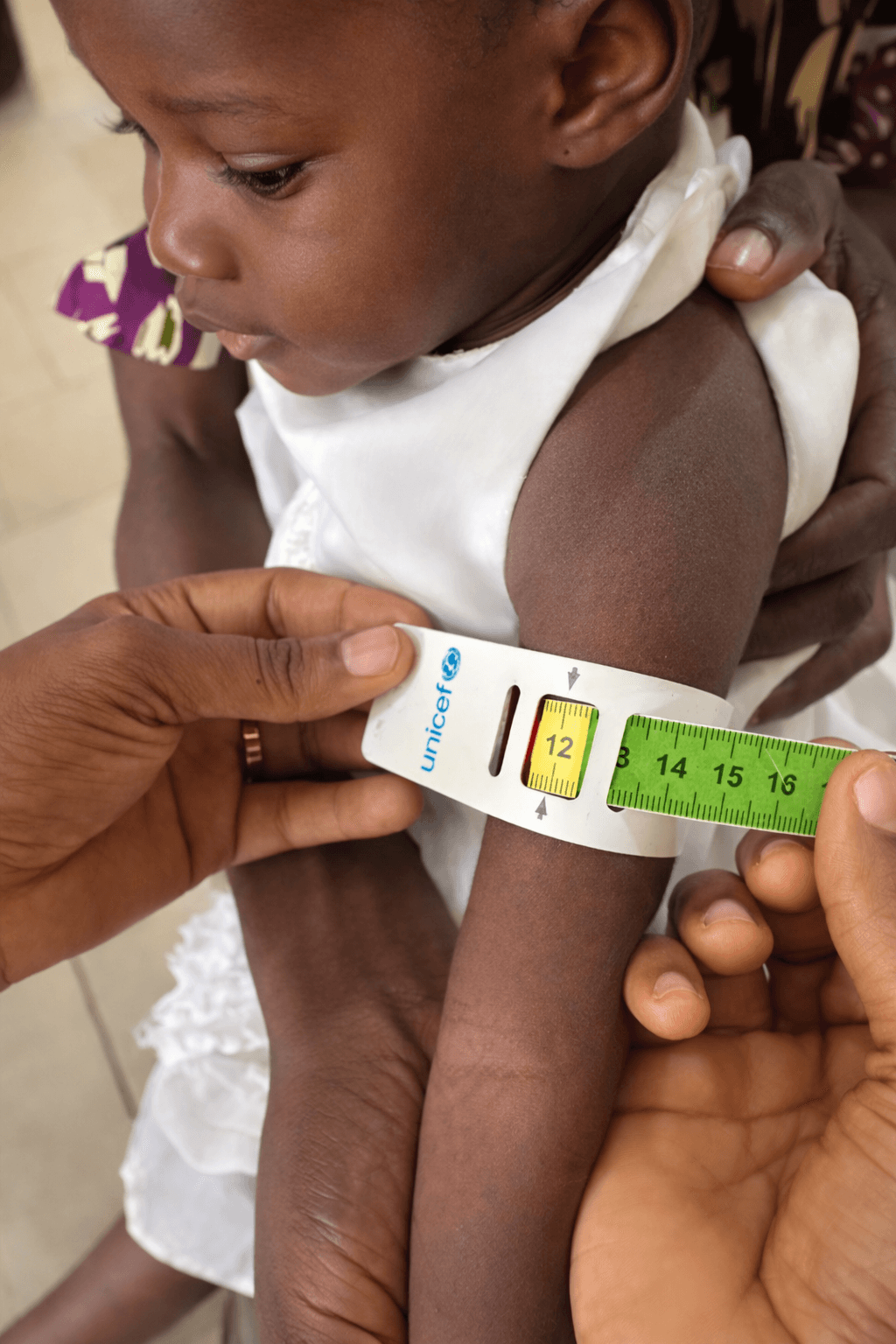
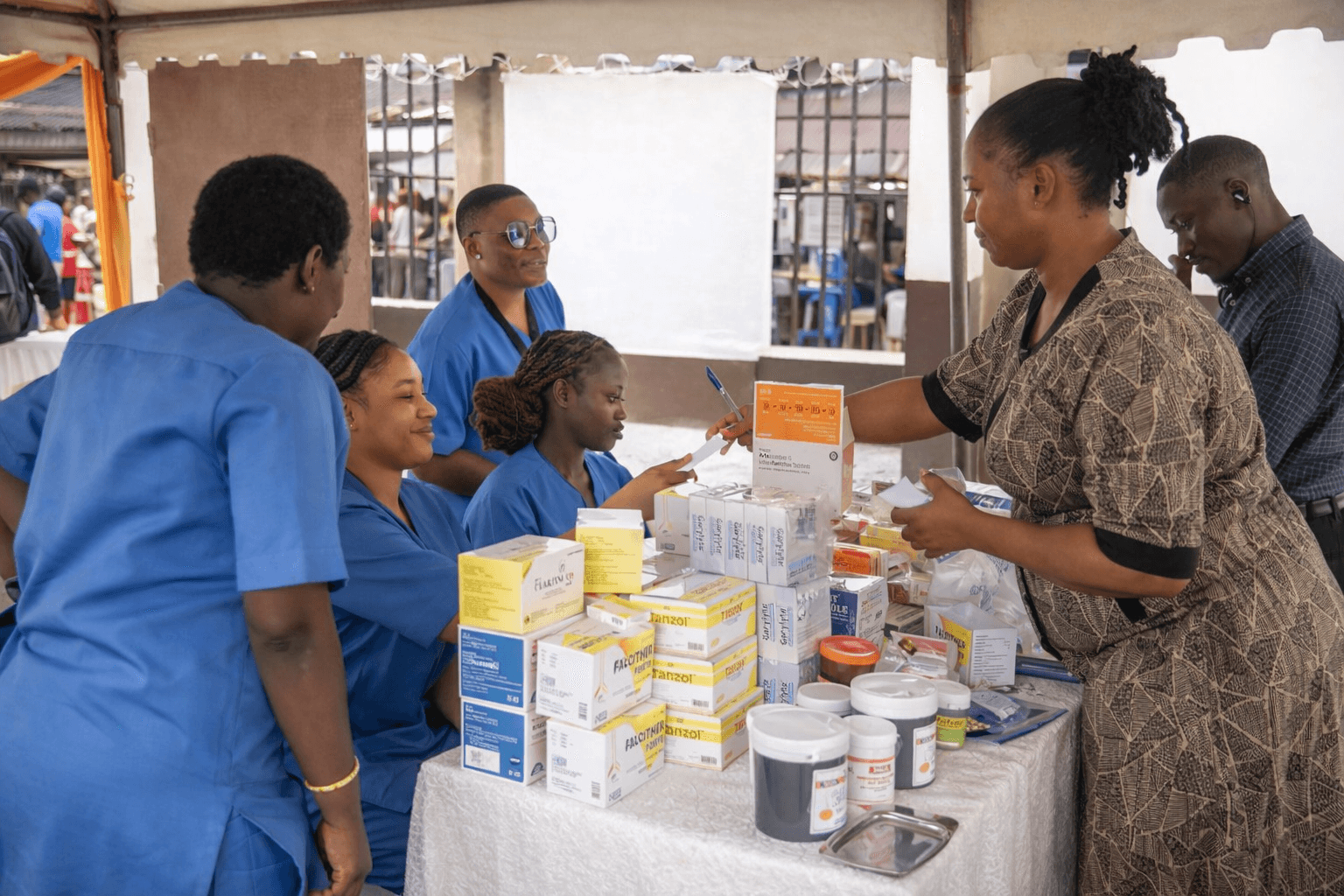
Child health
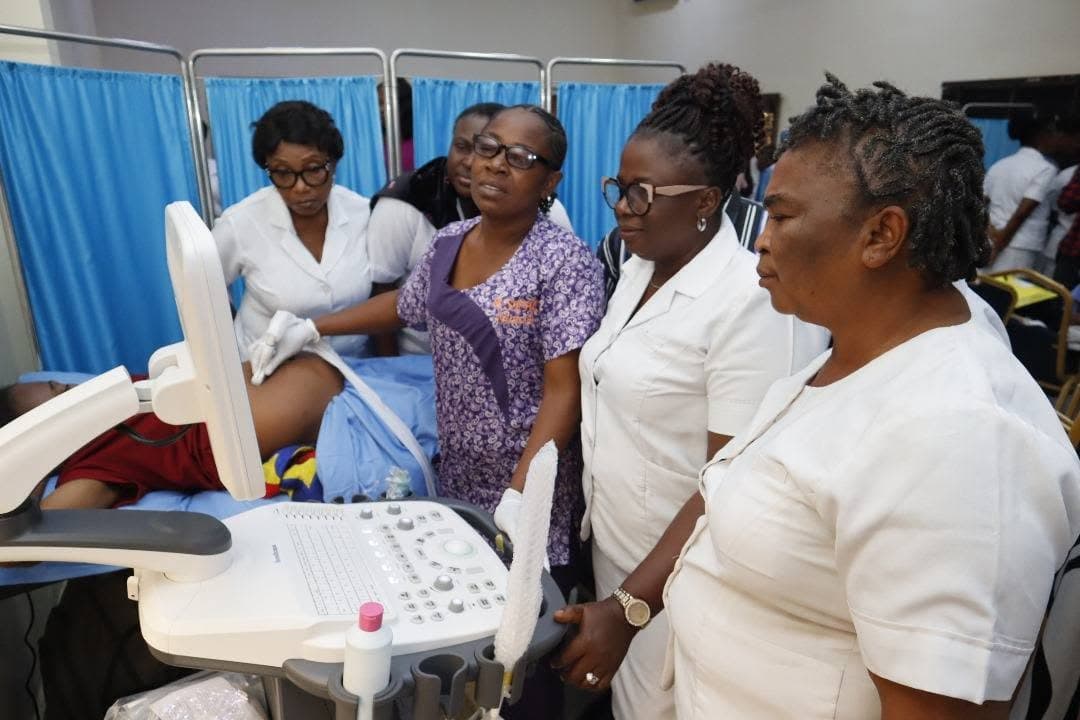
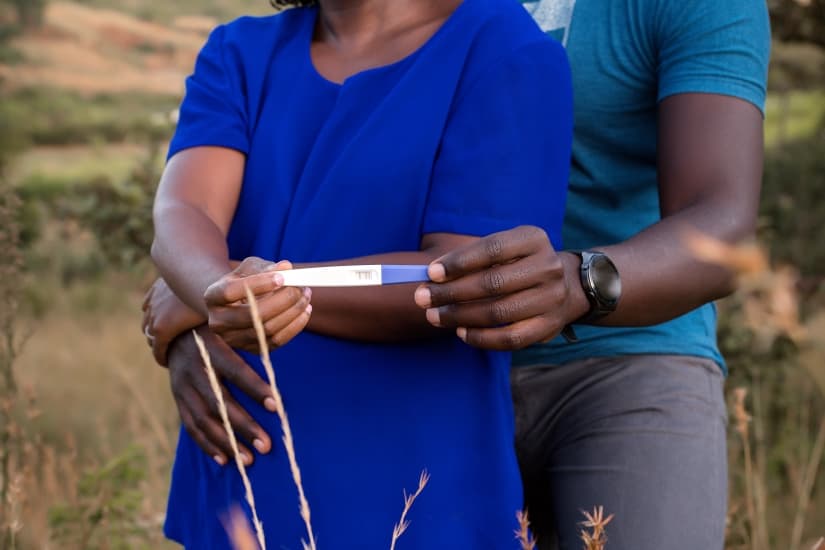
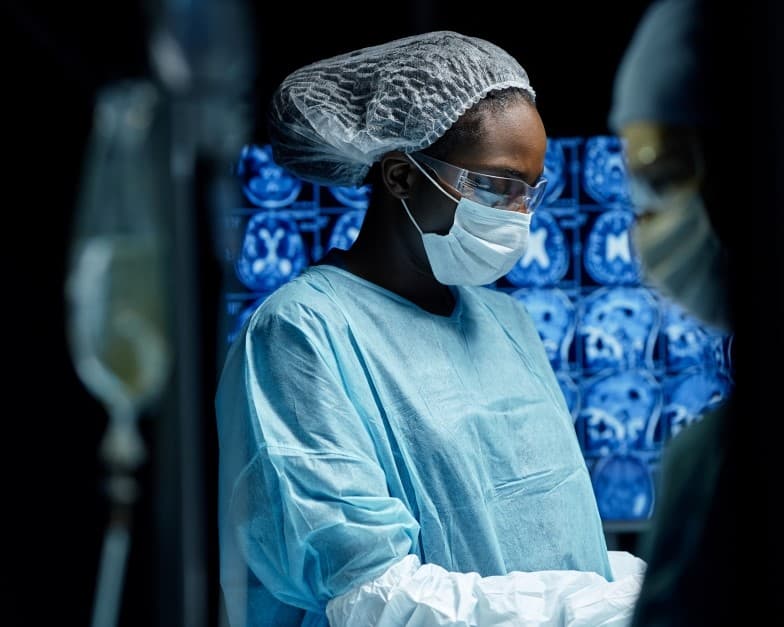
Maternal health
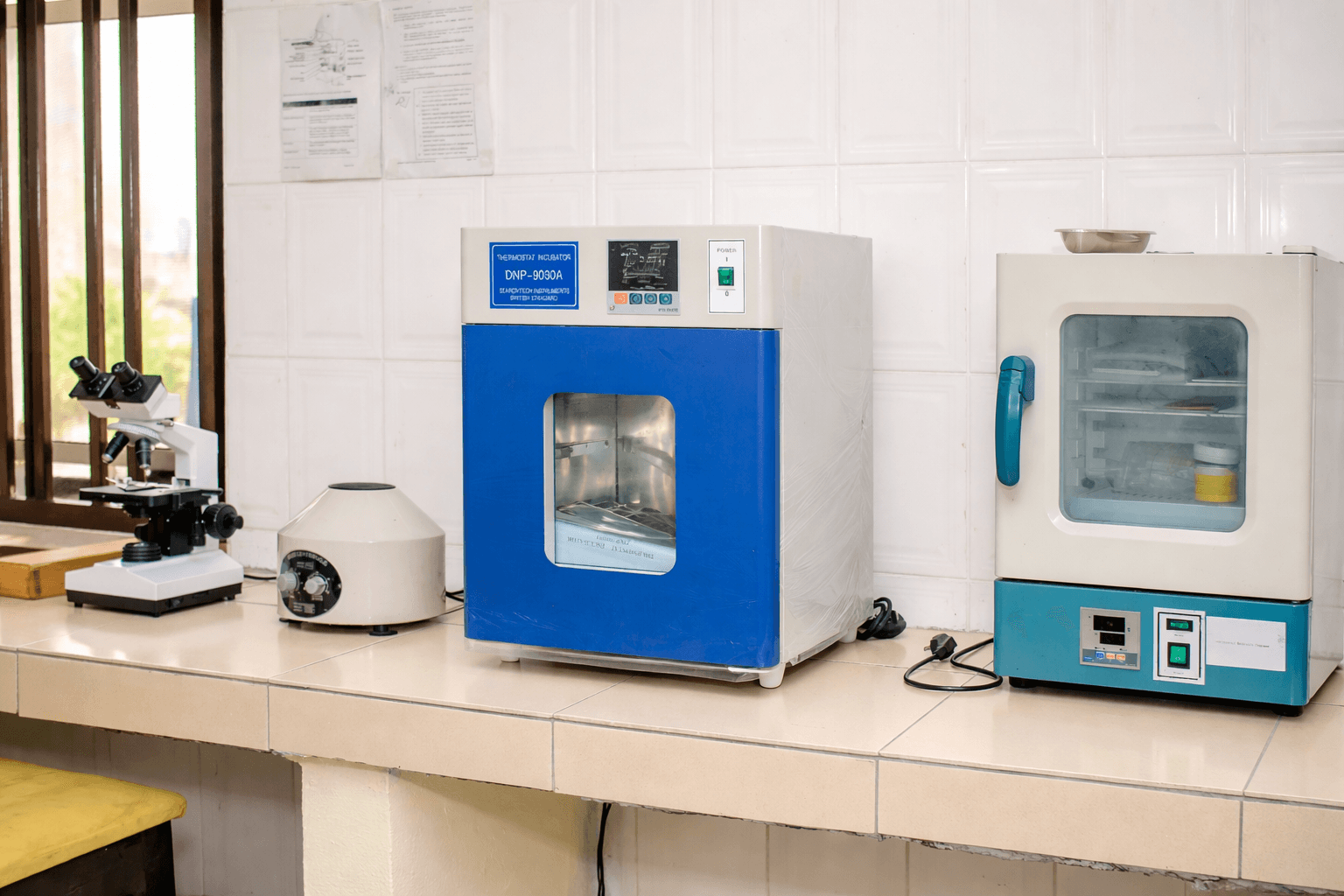
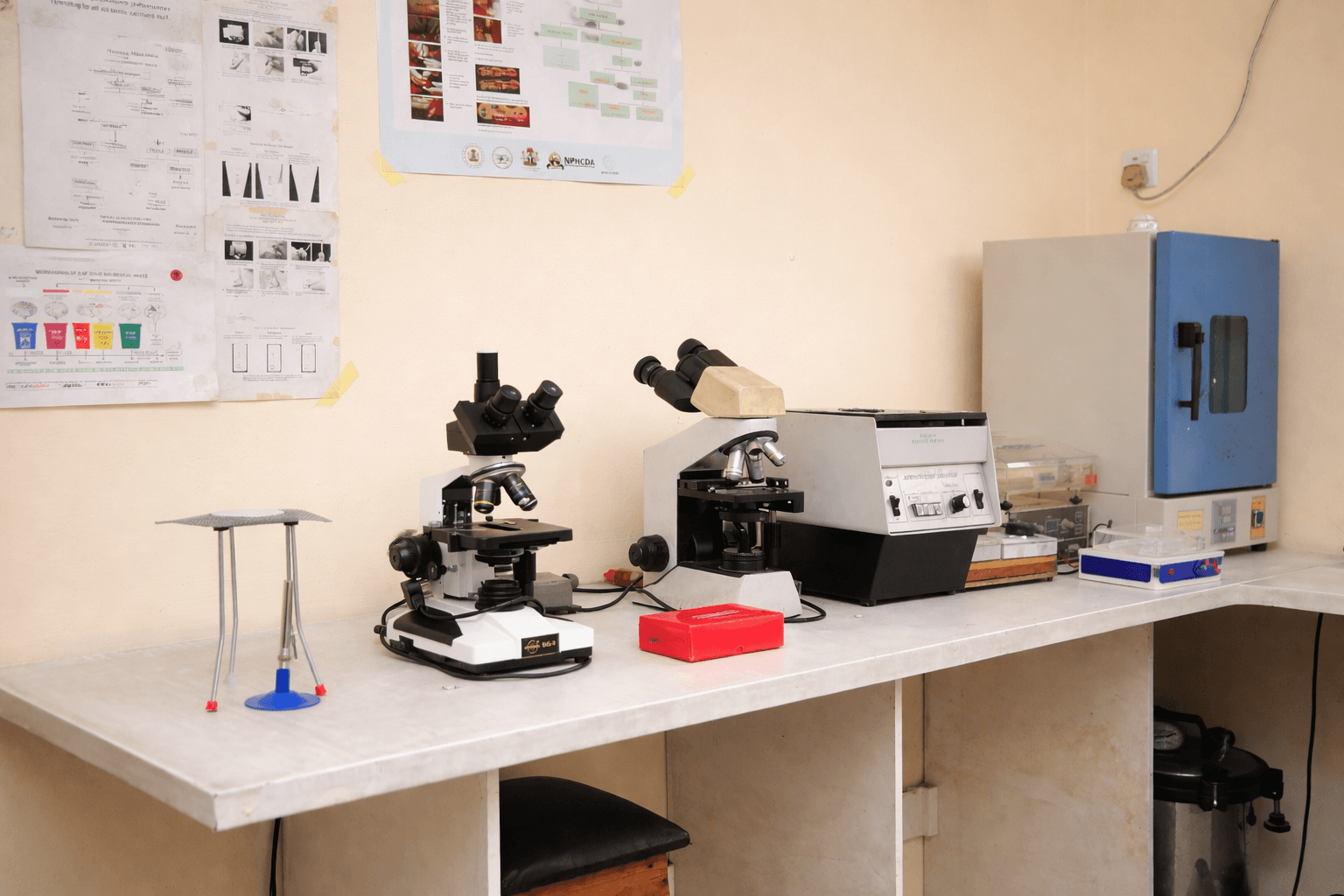
Lab and equipment

Maternal Health

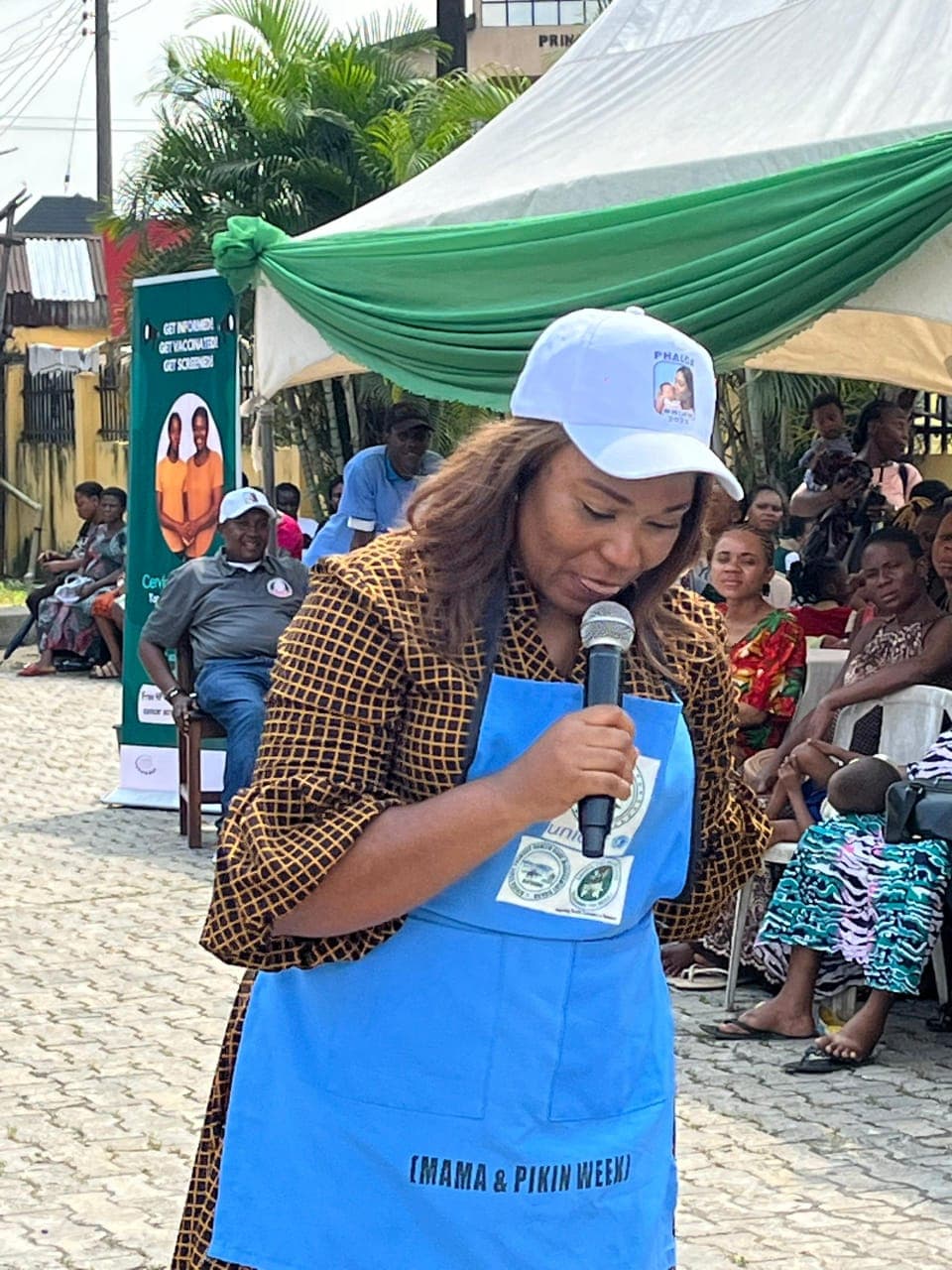
## Antenatal care services In a bid to improve maternal health, improve delivery and reduce maternal mortality, our Primary Health Care Centres provide Antenatal care services. Our trained staff ensure that no mother is deprived of the essential commodities and care for a smooth delivery. ## Delivery services Deliveries are supervised by trained medical doctors and midwives in our Primary Health Centres. To reduce maternal mortality in our rural areas largely due to women utilizing traditional birth attendants (TBAs), improving facility utilization, delivery in rural centres are free after attending ANC for four times. ## Maternal Neonatal Child Health (MNCH) week MNCH Week is a bi-annual campaign dedicated to Maternal, Neonatal and Child Health. All the nooks and crannies are covered ensuring that no one is left behind. The whole week campaign usually takes place in August. ## Maternal Neonatal Child Health (MNCH) week MNCH Week is a massive campaign dedicated to Maternal, Neonatal and Child Health. All the nooks and crannies are covered ensuring that no one is left behind. The whole week campaign usually takes place in August. ## Family planning gvnbv ## Family planning Access to safe, voluntary family planning is a human right. Family planning is a key intervention in all our health centres. Family planning commodities are liberally given. Child spacing is encouraged and the right procedure for every single individual is prescribed ## Maternal Immunization Maternal immunization is an important strategy for protecting infants and new-borns in the vulnerable period before they can receive their own vaccinations. Our health facilities ensure that every pregnant woman is immunized per time. Vaccinating women in pregnancy has emerged as a promising tool to tackle infant morbidity and mortality ## Postnatal care service Postnatal care services are offered in our Primary Health Centres because every life matters especially that of a new born. Every new born is offered the best possible care to enable them face the new world with the best chances of survival. ## Delivery services Deliveries are supervised by trained medical doctors and midwives in our Primary Health Centres. To reduce maternal mortality in our rural areas largely due to women utilizing traditional birth attendants (TBAs), improving facility utilization, delivery in rural centres are free after attending ANC for four times.

Child Health

## Breast feeding In our Primary Health Centres, we encourage and preach exclusive breastfeeding for the first six months of life. Breast milk is the ideal food for infants. It is safe, clean and contains antibodies which help protect against many common childhood illnesses. Breastfeeding is one of the most effective ways to ensure child health and survival. Breastfed children perform better on intelligence tests, are less likely to be overweight or obese and less prone to diabetes later in life. Women who breastfeed also have a reduced risk of breast and ovarian cancers. ## Childhood immunization Every day, a healthy child’s immune system successfully fights off thousands of germs. When your child gets vaccines, they not only protect your child from deadly diseases, such as polio, tetanus, anddiphtheria, but they also keep other children safe. This is imperative to raising a healthy generation. At our health facilities and neighbourhood, childhood immunization is among our top priorities. ## Growth monitoring The main purpose of Growth monitoring is to assess growth adequacy and identify faltering at early stages before the child reaches the status of under-nutrition. In children, parameters used to measure growth are weight in kilograms, height in meters and head and chest circumferences. Normal growth is a sign of good health and well-being in children. Child growth monitoring and promotion (GMP) is key in caring for children in our health facilities. ## Food supplementation In our Health Centres, food supplementation and demonstrations are often carried out to enlighten the people on healthy foods and consumables for optimal health. ## Oral rehydration therapy Oral rehydration therapy (ORT) is a safe and effective treatment of infants and children with mild to moderate dehydration. Neonatal healthcare being one of the pillars in Primary health service delivery is treated with utmost importance.

Medical Care

## Treatment of minor ailments and injuries Minor illness symptoms may begin with a cough, fever, or sore throat. If you feel symptoms of a cold or the flu coming on, please visit any of our Primary Health Care facilities to consult with our experienced staff. Minor illness treatment includes treatment for any medical condition that is not urgent or life-threatening but requires medical attention. ## Medical outreaches As a board and as an institution, we take it as one of our core responsibilities to reach-out to everyone no matter where you are. Routine medical outreaches are carried out at least once every month in all our health centres, bringing commodities, supplements and education to the people especially those in rural areas and the underprivileged in the society ## Emergency Medical Services (EMS) Our model health centers operate 24hours a day, 7days a week. Cases that are beyond the Primary Health Centres are referred to seconary or tertiary facilities and in some extreme cases, our ambulance services are deployed. Where there are no available ambulance, our health centres have partnerships with volunteer drivers who are members of the community to transport patients to referred facilities

Essential Medicines

## Provision of medicines and consumables One of the eight (8) components of primary health care is the provision of essential medicines. These medicines are carefully selected with regard to public health relevance, evidence on efficacy and safety, and comparative cost–effectiveness. Making sure facilities have the right medicines and medical consumables at the right time and that patients can access affordable products when needed is imperative to delivering high-quality Primary Health Care and achieving SDGs. The availability of essential medicines not only promotes trust but also enhances community participation in health services, thereby leading to improve health outcome(s). ## Logistics Management of Public Health Medicines and Commodities Logistic managementof medicines and commodities encompasses the planning and management of all activities involved in sourcing and procurement of medicines and commodities and all logistics management activities. Importantly, it also includes coordination and collaboration with channel partners, which can be suppliers, intermediaries, third-party service providers, and clients. In essence, supply chain management integrates supply and demand management within and across Board.

Communicable diseases Management

## STIs, HIV/AIDS HIV/AIDS and other sexually transmitted infections (STIs) are actively managed by the RSPHCMB in conjunction with partners. PHCs provide HIV/AIDS counselling, testing and other interventions based on the local patterns of STIs. The program managers for the HIV/AIDS program ensure the monitoring and evaluation of program activities in addition to maintaining the data base of all reports and inventory. Program activities include: Co-ordination of counselling and testing services. Prevention of mother-to-child (PMTCT) services in antenatal clinics. Co-ordinate and monitor supply of ART drugs. Provision of reports on the implementation of HIV/AIDS program. ## Syphilis Syphilis screening is offered at the PHCs to members of the public. Given its deleterious effects on the foetus, pregnant women are also encouraged to undergo a syphilis counselling and screening to detect and treat syphilis during their gestation period. ## Tuberculosis and Leprosy Tuberculosis (TB) is one of the infectious diseases in communities in the State. Similarly, leprosy also contributes significantly to the infectious disease burden in the State. Both diseases are of public health interest and are managed in some of the primary health centres (PHCs). Tuberculosis is managed in the State by the universally acclaimed Directly Observed Treatment Shortcourse (DOTS) method. DOTS approach ensures effective diagnosis and treatment of infectious cases. Some of the PHCs in the State have been designated as DOTs sites that manage tuberculosis cases. At the Board level, the State Tuberculosis and Leprosy Control Officer (STBLCO) is responsible for the planning, organizing and implementing of tuberculosis and leprosy (TBL) programs. ## Malaria The endemic nature of malaria has resulted in high prevalence of malaria cases in the State. Primary Health Care (PHC) facilities are increasingly becoming the focal point for diagnosis and treatment of malaria. Some of the activities carried out both at the PHC and State level for the control of malaria include: Conducting rapid diagnostic tests (RDTs) and laboratory investigations for malaria diagnosis. Malaria treatment with Artemisin Combination Therapies (ACTs). Collection, collation and analysis of malaria data at the LGA and State levels. Capacity building for malaria focal persons in the LGAs. Supportive supervision for the control of malaria in health facilities. Collaborate with partners and NGOs operating at the LGA level. Plan and conduct World Malaria Day activities at the LGA level.

Non-communicable diseases

## Cervical cancer Cervical cancer screening is provided free of charge for women of childbearing age over 30. Screening is encouraged for women that fall in this category in order to ensure early detection. Early diagnosis is usually helpful for cancer treatment and prognosis. ## Diabetes mellitus Prevalence of diabetes mellitus is becoming an increasing public health concern. Members of the communities are encouraged to visit their PHCs for diabetes screening for early diagnosis. In addition, the blood sugar level of pregnant women are routinely tested at the health facilities as there can be cases of gestation induced diabetes mellitus. Where diabetes is detected, it is treated by the health providers to ensure safe delivery for mother and child. ## Hypertension PHCs in the State provide free screening for hypertension. Early detection and case management of hypertension reduces morbidity and mortality due to the illness, so people are encouraged to go for regular blood pressure checks.

Surveillance

## Outbreak Response The Board has a Rapid Response Team and Emergency Response Team that is activated whenever an outbreak is detected. Activating the response team triggers a cascade of coordinated activities with the aim of ensuring swift management and containment of the outbreak. ## Neglected Tropical Disease (NTDs) Accurate diagnosis and timely reporting are essential for the effective treatment of Neglected Tropical Diseases (NTDs). NTDs occurring in the State include dracunculiasis, onchocerciasis and schistosomiasis. The NTD program actively advocates for the provision of clean water in the communities to prevent water-borne NTDs in addition to other advocacy and policy ventures. Management of the disease spans its detection, treatment to limit disability, rehabilitation of affected persons and support to re-integrate into the society after treatment. Research is ongoing in collaboration with key stakeholders to better understand the transmission of NTDs and their control. ## Outbreak Monitoring Disease monitoring is a key component of surveillance. At the Board and LGA levels, a robust structure have been put in place by the Diseases Control Services department to detect any possible outbreaks of illness in the State. This structure includes the Boards Disease, Surveillance and Notification Officer (DSNO) and LGA DSNOs/ assistant DSNOs.Monitoring for vaccine preventable diseases (VPDs) and notifiable diseases are ongoing in close cooperation with relevant agencies. ## Outbreak Investigation The surveillance team oversee all incoming notification of signals and events of all incidence of endemic or emergent diseases. Where the already established threshold for epidemics for PHCs and communities is reached, the surveillance team issue an alert notice for investigations for any possible outbreaks. Recent investigations carried out by the Board include the Measles notification from Abua/Odual LGA with was adequately contained. The surveillance team also participate in public health policy program development meetings as well as advisory meetings for dissemination of relevant information.

Health Education

## Information Education and Communication (IEC) materials This is the approach and methods that enable individuals, families, groups, organizations and communities to be involved in achieving, protecting and sustaining their own health in the society. This method also includes media broadcast, such as radio jingles, printing of flyers, posters, leaflets, etc. This has proven to be powerful tools for bringing social change and development in health information. The participatory nature of IEC programs provides a sublime opportunity to engage with the local communities, establish good rapport and to define their specific needs. This enhances the effectiveness of the programs, provides ambient environment for evaluation, improvement and sustenance. ## Advocacy Advocacy is an important component because of its efforts to create healthful environments, ensure access to comfortable healthcare; and campaign to eliminate all health, social, and economic inequalities. This help patients on their healthcare journey, it provides patients with guidance based on their conditions and treatment options to enable them make the right decision. Supporting patients with health insurance processes, including filing claims and preparing necessary forms, empower patients by helping them get access to affordable, effective, high-quality healthcare. Health advocates accompany older patients during appointments to talk with doctors, take notes, and manage medical bills. They can also assist with preventive medical care, managing daily medications, and promoting activities that can improve a patient’s quality of life at home. This also helps patients that are forgetful, such as reminding the patient when to visit the hospital for their next appointment, when to take their drugs, diets to keep and many more. ## Community sensitization This helps in providing first-hand, reliable information to communities, thereby helping improving their knowledge about health-related matters, this helps in minimizing panics and spreading of rumors if there is any outbreak. Community sensitization helps to change people’s behavior or attitudes towards the issues, inform then on how the new behaviors and attitudes will have an impact and maybe even change cultural norms and beliefs. Community sensitization helps the people in the community to know where to get the necessary medical help they may need and idea of the process and cost. The community leaders and chiefs are mostly involved in this sensitization as their presence there makes the program more reliable.

Gender and work place violence

## Violence against health care workers This is also a serious issue in the society today, health workers are usually abused in their work places, these includes, verbal abuses, killings, kidnappings, and sexual assaults, as well as destruction and damage of health facilities and transports. patients and visitors are also perpetrators of abuses like this. ## Rape This is a sexual assault; it is usually when the other person involved did not give consent to the sexual activities performed on them. ## Gender-based violence Gender-Based violence refers to harmful acts directed at an individual based on their gender. It is rooted in gender inequality, the abuse of power and harmful norms. It is a serious violation of human rights and a life- threatening health and protection issue. It is one of the most notable human rights violations within all societies in workplaces and outside. Gender-based violence can include sexual, physical, mental and economic harm inflicted in public or in private. It also includes threats of violence.

Health Insurance

## Obio cottage hospital The Rivers Sate Contributory Health Insurance Program (RIVCHIP) is a program recently ascented to by the Rivers State House of Assembly to provide accessible, affordable, and universal health care services to all. The program is to ensure that funds are always available to the public health sector so people can access quality services. Currently, health insurance is run in Obio Cottage Hospital supported by Shell Petroleum Development Agency (SPDC). ## Model Primary Health Centre Rumuokwurushi The Rivers Sate Contributory Health Insurance Program (RIVCHIP) is a program recently ascented to by the Rivers State House of Assembly to provide accessible, affordable, and universal health care services to all. The program is to ensure that funds are always available to the public health sector so people can access quality services. Currently, health insurance is run in Model Primary Health Centre Rumuokwurusi supported by Shell Petroleum Development Agency (SPDC). ## Model Primary Health Centre Bonny The Rivers Sate Contributory Health Insurance Program (RIVCHIP) is a program recently ascented to by the Rivers State House of Assembly to provide accessible, affordable, and universal health care services to all. The program is to ensure that funds are always available to the public health sector so people can access quality services. Currently, health insurance is run in Model Primary Health Centre Bonny supported by Nigeria Liquefied Natural Gas (NLNG).

Adolescent Health

## Adolescent and youth friendly services ## Sexuality education

School Health

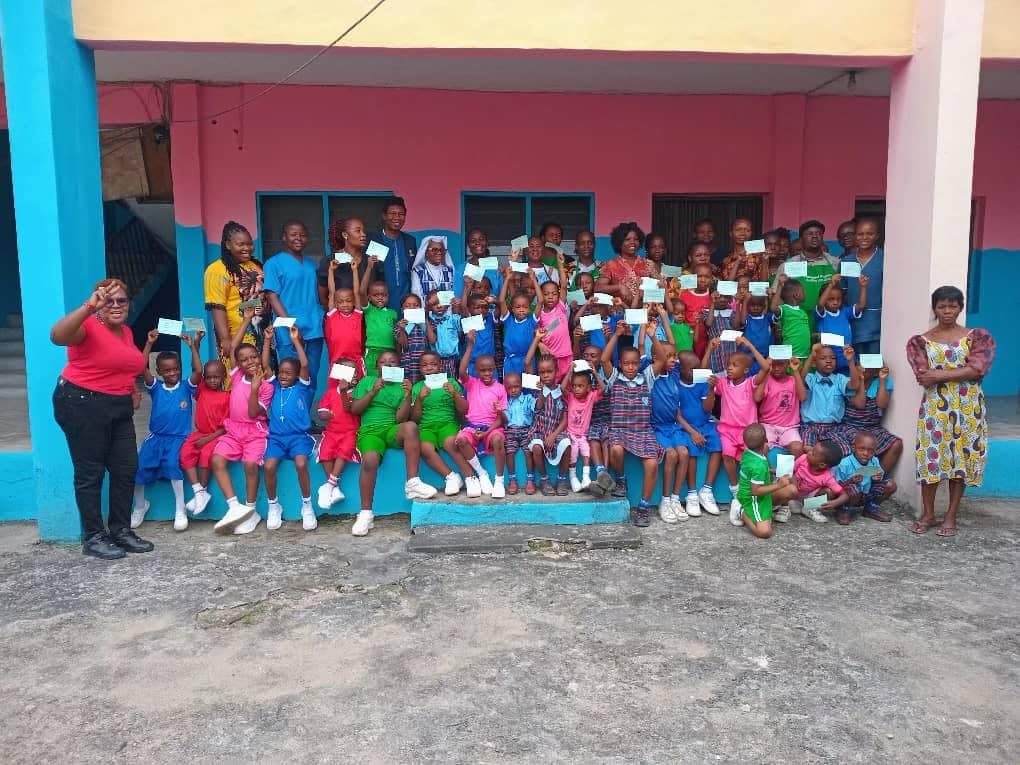
## Screening Under this exercise, the State Social Mobilization Officer goes around schools where they identify kids who have not undergone certain immunization process which they should have undergone at a certain age and administer the necessary drugs. The aim of the screening service which is carried out at our various health facilities is to ensure that children whose parents were negligent in giving them the necessary vaccine can still enjoy a healthy and happy childhood just like their peers. This screening is an important exercise and it ensures a healthy lifestyle amongst students in the school environment. ## Health education School health services refer to the health care delivery system that is operational within a school or college. These services aim at promoting and maintaining the health of school children so as to give them a good start in life. In addition, these services seek to enable children benefit optimally from their school learning experience. School-based health services are provided through the school system to improve the health and well-being of children and in some cases whole families and the broader community. School health services deal with health appraisals, control of communicable diseases, record keeping and supervision of the health of school children and personnel. School health services are both preventive and curative services and it helps in providing information to parents and school personnel on the health status of school children. It also provides advisory and counselling services for the school community and parents. It include pre-entry medical screening, routine health screening/examination, school health records, sick bay, first aid and referral services. Other services rendered include health observation (which involves physical inspection of the physiology and behaviors of children), health examinations (screening tests and medical diagnosis) and health records (keeping of records of the health histories of children). ## Medical treatment Medical services are health services provided by either a qualified school nurse or other qualified person that are designed to enable a student with a disability to receive a free appropriate public education as described in the individualized education program of the student. They refer to those services which are rendered to the school children when they develop health challenges/issues. They could also be first aid treatment, drug prescription and administration admission and care of in-patients etc. Our facilities have qualified school nurses armed with the necessary knowledge and skill to handle school emergencies.

Nutrition

## Maternal nutrition Maternal nutrition refers to the nutrient intake, and dietary planning that is undertaken before, during and after pregnancy. Nutrition of the fetus begins at conception. For this reason, the nutrition of the mother is important from before conception as well as throughout pregnancy and breast feeding. Maternal nutrition impacts ovulation, fertilization, and fetal development. Ensuring women have nutritious diets and adequate services and care is fundamental for the survival and well-being of mothers and their children. Before pregnancy, women need nutritious and safe diets to establish sufficient reserves for pregnancy. During pregnancy and breastfeeding, energy and nutrient needs increase. ## Childhood nutrition Childhood nutrition involves making sure that children eat healthy foods to help them grow and develop normally, as well as to prevent obesity and future disease. Every parent knows that children should be eating a balanced diet. Good nutrition supports your childs health, growth, and development. An easy way to ensure that children get the nutrients they need is by choosing healthy foods for them to eat. Our health facilities provide a variety of nutritional and dietary plans for children in order to aid the growth, health and development of children.

Environmental & Occupational Health

## Basic sanitation Sanitation and hygiene are critical to health, survival, anddevelopment. Basic sanitation is defined as having access to facilities for the safe disposal of human waste (feces and urine), as well as having the ability to maintain hygienic conditions, through services such as garbage collection, industrial/hazardous waste management, and wastewater treatment and disposal. ## Food inspection Consumers are entitled by right to safe and wholesome food and governments must ensure that this right is preserved by enacting regulations and verifying compliance with these regulations through enforcement actions.

Disaster Management

## Pollution ## Flood Flooding is an overflowing of water onto land that is normally dry. Floods can happen during heavy rains, when ocean waves come on shore, when snow melts quickly, or when dams or levees break. ## Pollution Pollution is the introduction of harmful materials into the environment. These harmful materials are called pollutants. Pollutants can be natural, such as volcanic ash. They can also be created by human activity, such as trash or runoff produced by factories.

COVID-19 Vaccination

## Testing There are two main types of viral tests: nucleic acid amplification tests (NAATs) and antigen tests. In certain circumstances, one test type may be recommended over the other. All tests should be performed following FDA’s requirements.. NAATS, such as PCR-based tests, are most often performed in a laboratory. They are typically the most reliable tests for people with or without symptoms.Antigen tests* are rapid tests which produce results in 15-30 minutes. They are less reliable than NAATs. Self-tests, or at-home tests, are usually antigen tests that can be taken anywhere without having to go to a specific testing site. ## Immunization Immunization is the process by which an individuals immune systembecomes fortified against an infectious agent. COVID-19 Immunization Plan is to reduce severe illness and death due to COVID-19, and protect those most vulnerable

Wellness starts with
staying informed

For general enquiries, partner requests, NGO collaboration, or patient referrals. Our team is ready to assist